







Search Results for: skim milk

Why Is It Hard to Find Skim Milk and Decaf Coffee in Cafés? A Comprehensive Look at Demand, Cost, and Taste
Walking into a café and wanting to order a decaf coffee or skim milk, you're often told "we don't have it." For people who are sensitive to caffeine or lactose intolerant, this is undoubtedly a great regret. This article will start with the definitions, production methods, and flavor profiles of decaf coffee and skim milk, and analyze the deep-seated reasons why they are rarely served in domestic cafés—breaking them down one by one, from the proportion of consumer demand to operating costs and product consistency. At the same time, we will also recommend espresso beans suitable for pairing with skim milk, and introduce the characteristics of Front Street Coffee's decaf coffee beans, helping you find a solution that balances health and deliciousness at home too. [more…]

What Milk Should You Choose for Brewing Coffee? Whole Milk vs. Skim Milk—Which Pairs Better with Coffee?
The pairing of coffee and milk is a classic choice for many enthusiasts in their daily drinking. Milk can soften the bitterness while preserving the coffee's aroma, making the entire cup more drinkable. However, different coffee types have different requirements for milk: espresso needs a stronger base to support the milk flavor, while pour-over coffee, being lighter in nature, requires more caution when adding milk. This article discusses the principles of pairing coffee with milk, the coffee-to-milk ratio for latte, whether pour-over coffee is suitable for adding milk, and the difference between fresh milk and pure milk, and shares Front Street Coffee's practical experience in latte ratio adjustment, helping readers find a milk coffee solution that suits them. [more…]

Why Do Cafés Prefer Low-Temperature Whole Fresh Milk for Lattes? A Core Analysis of the Differences Between Fresh Milk and Shelf-Stable Pure Milk
Walk into any café and order a latte or cappuccino, and unless you specify otherwise, the barista will almost always reach for whole fresh milk by default. Why are cafés so devoted to cold-chain fresh milk? What roles do the protein, fat, and lactose in milk each play in a milk coffee? And what trade-offs in flavor and shelf life do pasteurization and UHT ultra-high-temperature sterilization bring? Starting from how milk components affect coffee flavor and milk foam structure, this article peels back the layers to reveal the core logic behind whole fresh milk becoming the top choice for cafés, while comparing the real differences between cold-chain fresh milk and shelf-stable pure milk, so you can make a more suitable choice when making milk coffee at home. [more…]
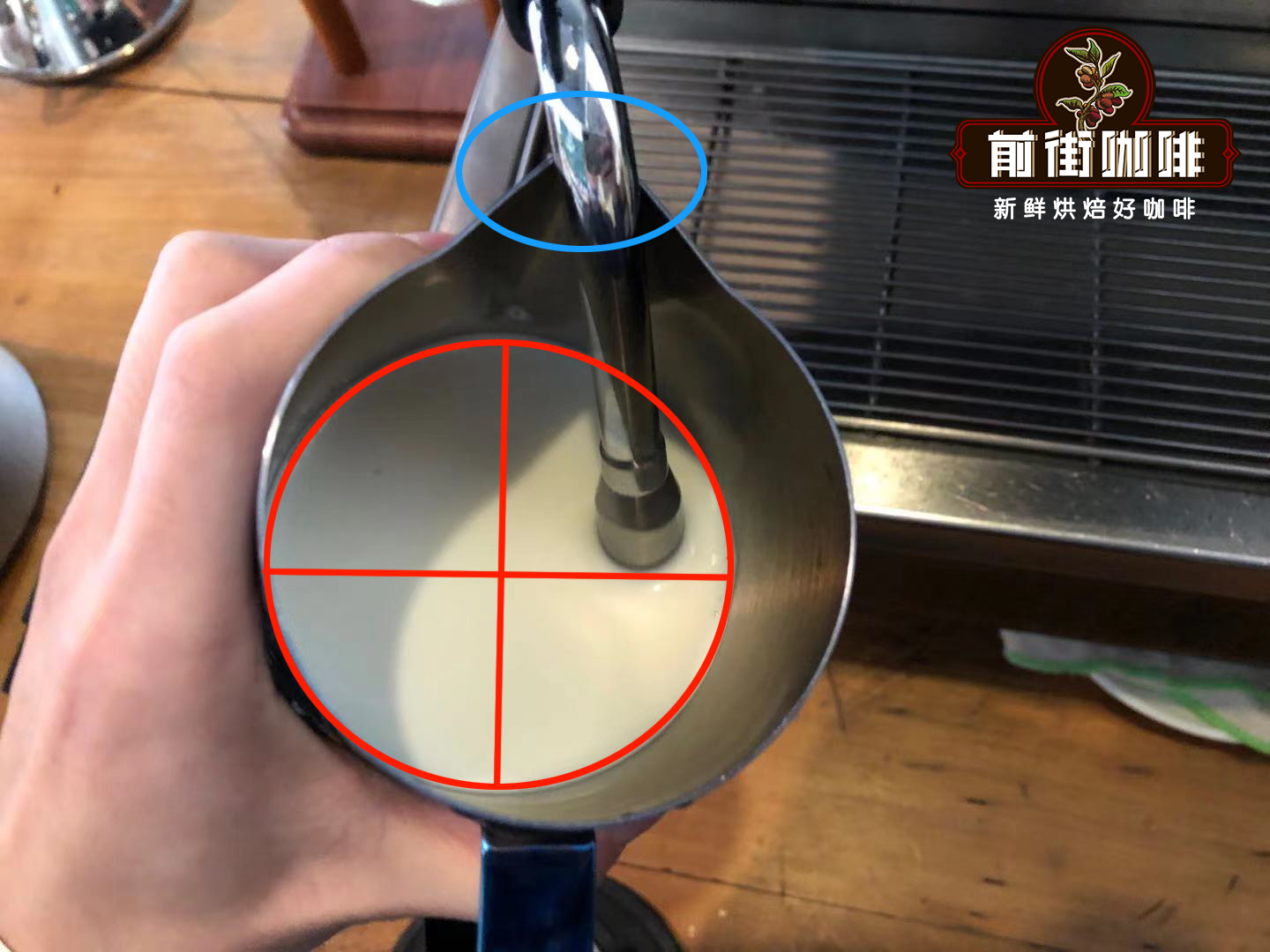
The Correct Way to Froth Milk | Which Type of Milk Keeps Coffee Foam Lasting Longer? What Techniques Must Beginners Master to Make Latte Art?
Many people struggle to froth milk properly when they first start learning latte art. In fact, the quality of the milk also affects how easy it is to froth. Front Street Coffee would like to introduce a few types of milk that are easy to froth! In the eyes of baristas, milk is divided into ambient milk and chilled milk, whole milk and skim milk. When making coffee la— [more…]
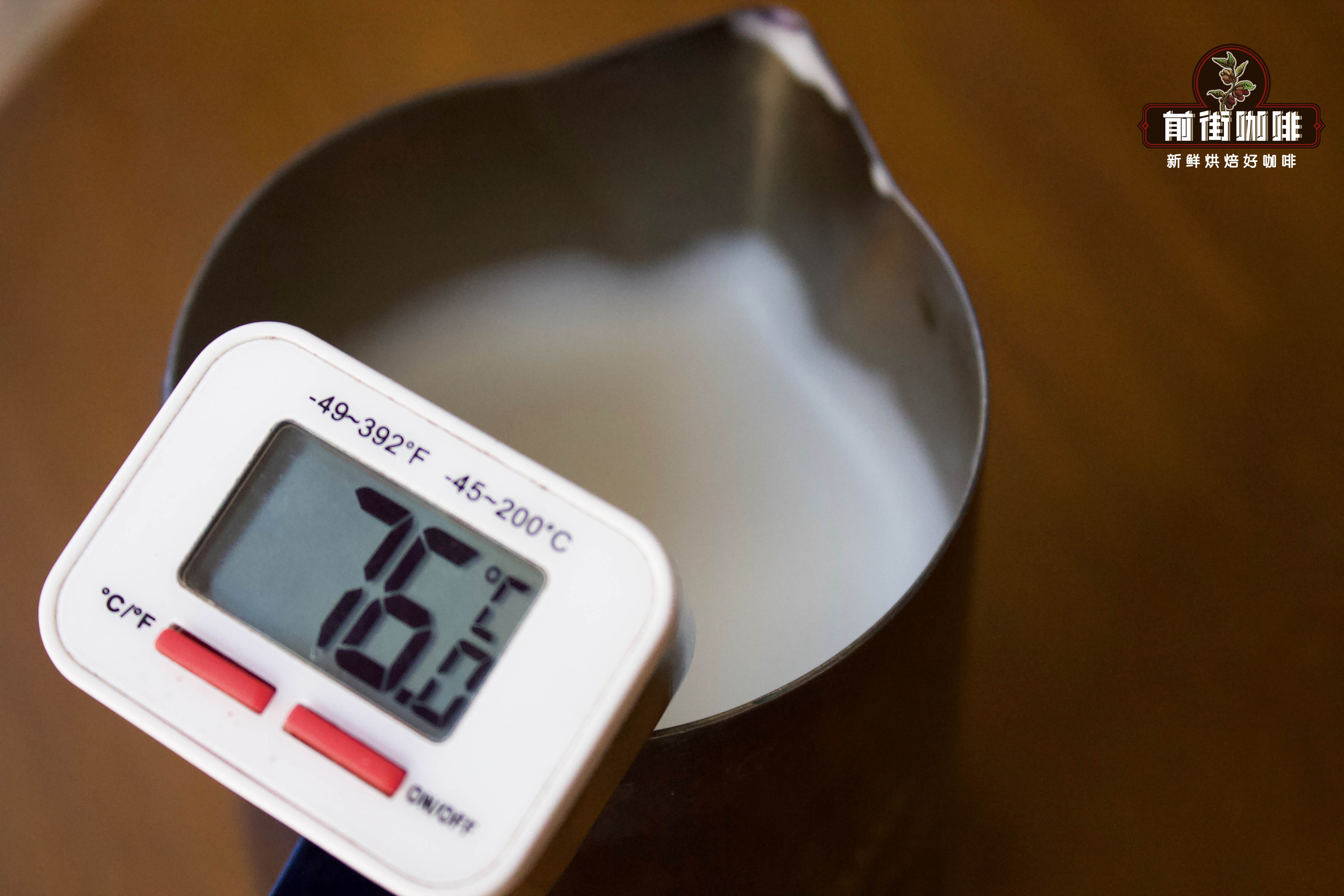
Which type of milk produces more long-lasting foam? A full guide to the milk-frothing process, techniques, and practical key points for beginners
When beginners practice latte art, milk foam is often difficult to froth or dissipates quickly. In fact, the choice of milk and the frothing technique both directly affect foam quality. Front Street Coffee, drawing on practical experience, has sorted out the differences between shelf-stable and chilled milk, and between whole and skim milk, and explains in detail the temperature control, operational details, and common issues of steaming milk foam. The article also analyzes how the ratio of milk to foam, personal skill, and standing time affect foam durability, helping coffee enthusiasts systematically master the key points for producing fine, dense milk foam. [more…]

How to Steam Milk Foam for Latte Art That Lasts Longer? A Full Guide to Choosing the Right Milk Brand and Steaming Techniques
Many people find that their milk foam never turns out well when learning latte art. In fact, the quality of the milk and the way it is steamed both directly affect the fineness and staying power of the foam. This article starts with the types of milk, analyzing the differences between shelf-stable milk and chilled milk, and between whole milk and skim milk. It then uses Front Street Coffee's recommended Vitasoy whole milk fresh milk to explain in detail the temperature control, technique, and the ratio of milk to foam when steaming milk with a steam wand. It also shares methods such as tapping out bubbles and controlling the heating temperature to make the foam more stable and long-lasting, helping coffee lovers achieve better results when pouring latte art and making lattes and cappuccinos. [more…]
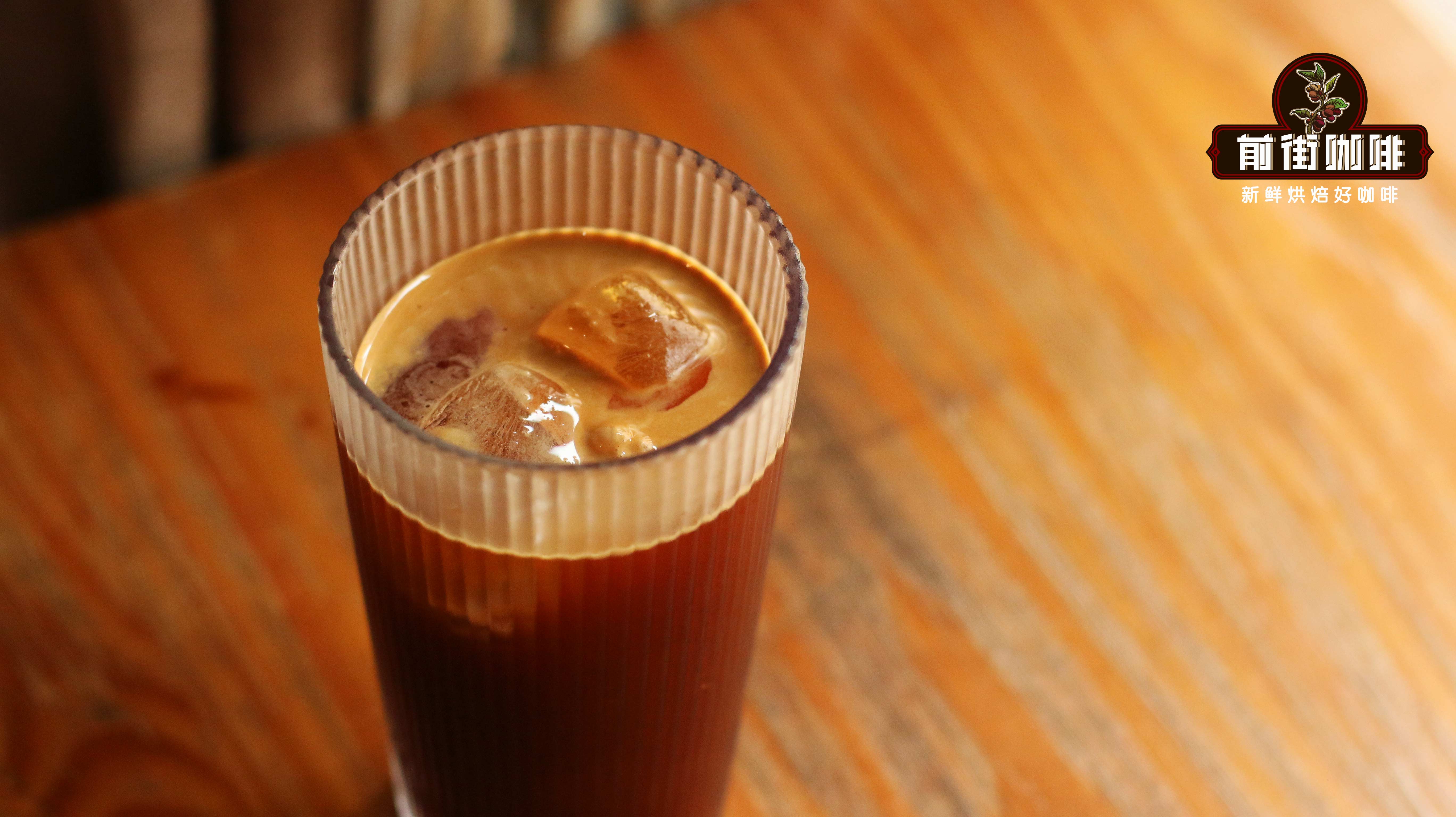
Step-by-Step Guide to Making Americano: A Full Breakdown of Iced Americano Cup Capacity, Ratios, and Calories
Americano may seem like it only requires two steps—espresso and water—but in reality it is the best test of a barista's extraction skills. Without the embellishment of milk, the flavor characteristics of the coffee beans themselves are amplified in an Americano, so many industry professionals judge a shop's quality by a single cup of Americano. This article will start with espresso extraction parameters, combine them with the practical experience of Front Street Coffee, and separately explain the production process, coffee-to-water ratio, and cup size selection for hot and iced Americanos, while also exploring an interesting detail—after skimming off the crema on the surface of the espresso, how does the flavor of the Americano change? Whether you want to replicate a qualified Americano at home or want to gain a deeper understanding of the extraction logic of Italian-style coffee, you can find practical references in this article. [more…]

A Complete Guide to Bean Selection and Milk Pairing for Latte Coffee: The Golden Ratio of Espresso and Milk
To make a delicious latte at home, the pairing of coffee beans and milk is key. This article approaches the topic from the perspective of milk types, analyzing the differences between skim milk, shelf-stable milk, and fresh milk in milk coffee preparation, and points out that fresh milk, due to pasteurization, better preserves flavor and is therefore more suitable for pairing with espresso. However, fresher milk is not necessarily better—different coffee beans require milk of different textures. Front Street Coffee's Classic Italian Blend is suited to light-bodied fresh milk, while Front Street Coffee's Strawberry Candy Italian Blend is better combined with rich, heavy milk. The article also emphasizes that online reviews only represent results under specific beans, so before choosing milk, one should first understand the flavor characteristics of the coffee beans being used, and then find the most suitable match accordingly. [more…]

Why Is Iced Americano Favored by Celebrities? Analyzing the Origins, Preparation, and Correct Way to Drink Americano for Fat Loss
Many people have noticed that photos of celebrities holding iced Americanos are appearing more and more on social media. Behind this, besides the refreshing taste, is the fact that drinking black coffee in moderation can help with fat loss. This article begins with the history of Americano, introduces Front Street Coffee's recipe and parameters for making Americano, compares the methods for hot and iced Americano, and analyzes the changes in flavor after skimming off the oils. At the same time, drawing on multiple studies, it sorts out the relationship between caffeine and fat oxidation and exercise performance, and offers more reasonable drinking suggestions. Whether you are drinking coffee for fat loss or simply because you like it, you will find useful references here. [more…]
American Coffee Home Brewing Guide: The Golden Ratio of Espresso to Water and a Detailed Step-by-Step Tutorial for Iced Americano
Americano may seem simple, made of nothing but espresso and water, yet it is the best test of a barista's extraction skills. Drawing on the hands-on experience of Front Street Coffee, this article explains in detail how to make hot and iced Americanos, the precise ratio of coffee to water, and explores how skimming off the crema affects flavor. Whether you want to recreate an authentic Americano at home or understand the underlying logic of espresso, this tutorial will give you clear guidance. [more…]
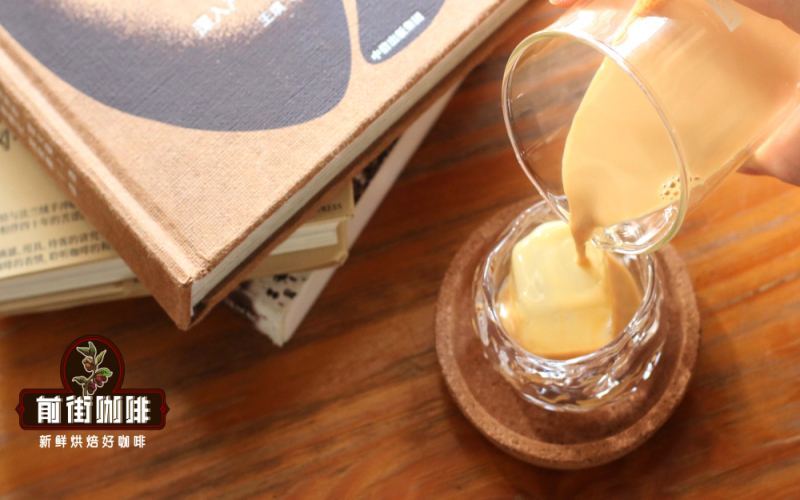
The White Mystery of White Coffee: The Origins, Production, and Difference from Flat White of Malaysia's Specialty White Coffee
White coffee is a highly representative specialty coffee of Malaysia, but it is not named for being white in color. Rather, it is made by processing coffee beans together with skimmed milk powder, giving the finished product a lighter color than regular coffee and a more refreshing taste. This beverage, invented by Chinese who migrated to Malaysia, uses a blend of three types of coffee beans—Liberica, Arabica, and Robusta—which are roasted, extracted, and then combined with sugar and non-dairy creamer to make an instant powder. Today it has become a daily necessity for locals and a must-buy souvenir for tourists. At the same time, another popular claim online points white coffee toward Australia's Flat White. This article will help you clarify the true meaning of white coffee, understand the production process of Malaysian white coffee, and get to know the unique features of the Aussie white, an espresso-based milk coffee. [more…]
A Complete Guide to Making Americano: From Espresso Extraction to Cup Size, Calories, and Iced Drink Ratios
American coffee may seem to consist of only two ingredients—espresso and water—but it is the best test of a barista's extraction skills. Without the embellishment of milk, the flavors of the coffee beans themselves are laid bare, so many industry professionals order an Americano when visiting a new shop to judge the quality of its output. Drawing on the hands-on experience of Front Street Coffee, this article sorts out the specific ratios for hot and iced Americanos, the choice of cup capacity, and explores how the flavor changes when the crema is scraped off, helping coffee lovers consistently reproduce a delicious Americano at home. [more…]
How Do You Make Americano Taste Good? A Comprehensive Analysis from Its Origins to Hot and Iced Recipes and Crema Handling
Americano may seem to require only espresso and water, yet it is the Italian-style drink that most tests a barista's extraction skills. This article begins with the definition and origin of Americano, sorts out the two mainstream methods—Americano and Long Black—analyzes the controversy over long-extraction, weak-tasting coffee, and provides specific parameters for ratios and steps for both hot and iced Americanos. At the same time, drawing on the Warm Sun blend used in Front Street Coffee stores, it explains the espresso extraction plan and dilution ratio, and finally discusses the effect of skimming off the crema on flavor and mouthfeel, helping coffee lovers make a clean, balanced, and delicious Americano at home. [more…]
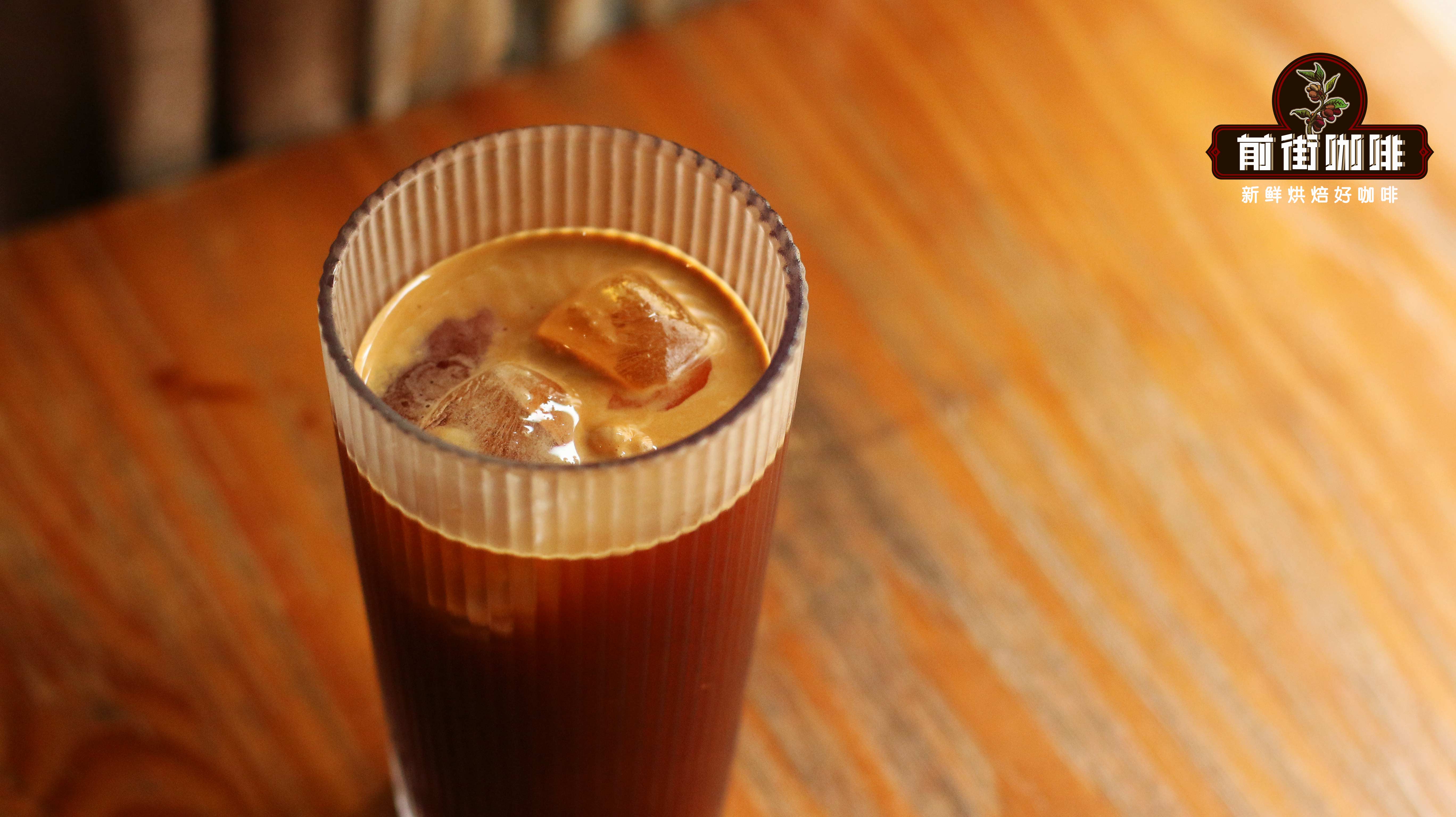
American Coffee Ratio Parameters | How Can Coffee Newbies Make Iced Americano and Hot Americano at Home? Is Americano Black Coffee Better Without the Crema?
For more specialty coffee knowledge, please follow: Front Street Coffee (Frontsteet Coffee). With the development of the times, coffee has also continuously progressed. Having experienced two waves of coffee, although we are now in the third wave of specialty coffee, espresso remains important. Espresso [more…]
How to Fix Milk Foam That's Too Coarse or Too Thick? Four Common Failures and How to Fix Them
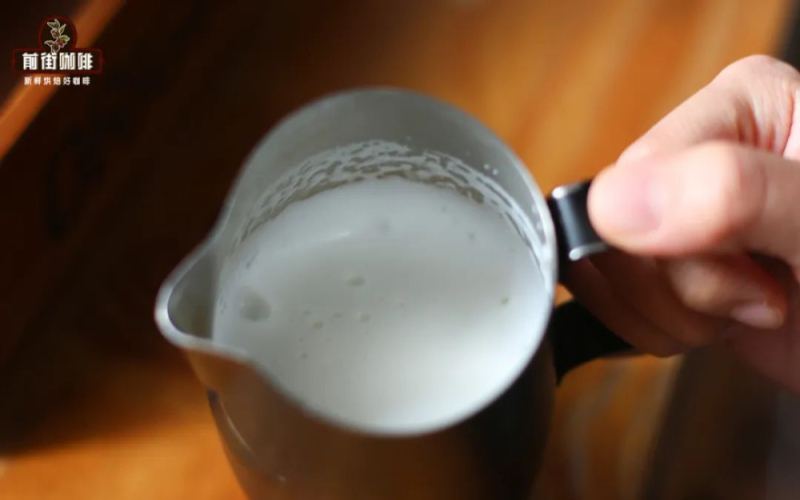
When frothing milk, problems such as coarse foam, overly thick foam, and separation are situations that many coffee enthusiasts encounter. This article focuses on the four most common types of milk frothing failures—foam that is too thin, foam that is coarse, foam that is too thick, and separation of milk and foam—analyzing the causes and effects of each one by one, and providing corresponding remedies. Among these, for the situation where there are only a small number of large bubbles on the surface of the foam, Front Street recommends eliminating them by shaking the milk pitcher; when there are many coarse bubbles, the "pitcher tapping" technique can be used. If the foam is too thick, it can be handled by "foam skimming," while separation problems require "pitcher pouring" to reintegrate the foam. It should be noted that pitcher pouring for rescue should be done no more than twice, otherwise the temperature of the foam will continue to drop, affecting the final result. [more…]
From WWII Diluted Coffee to Iced Americano Recipe: The Origin, Preparation, and the Debate Over Keeping the Crema of Americano
Americano may seem simple, yet it hides quite a few intricacies. It originated during World War II, when American soldiers diluted espresso with warm water, and today it has become a staple on coffee shop menus worldwide. This article starts with the definition and origins of Americano, clarifies the differences between the two mainstream approaches—Americano and Long Black—and discusses the controversy over extracting a weak coffee through prolonged water flow. In the practical section, it focuses on the specific ratios for iced and hot Americanos, including Front Street Coffee's extraction parameters and recommended methods, and finally explores an interesting question: Would Americano taste better if the crema were scraped off? [more…]

How to Make a Flat White? A Detailed Guide to Espresso-to-Milk Ratios, Milk Foam Thickness, and Temperature
Flat white is a milk coffee that emphasizes the true flavor of coffee. Compared with a latte, it has a higher espresso content, less milk, and thinner milk foam. In this article, Front Street Coffee will systematically explain the controversy over the origin of flat white, the choice of espresso base, the recommended ratio of milk to coffee, and how to judge the temperature, thickness, and texture when steaming milk. It will also explain the differences between whole milk, low-fat milk, and skim milk when steaming, helping coffee lovers, after understanding the principles, consistently make a fragrant, velvety espresso milk coffee at home. [more…]
Is Starbucks Americano actually bitter? Low-fat coffee recommendations suitable for women
Is Caffè Americano actually bitter? This is a question many coffee newcomers often ask. In fact, the Americano method originated in Europe and is made by combining hot water with espresso, giving it a subtly different taste from American-style brewed coffee. This article will start with the principles behind making an Americano to help you understand where its bitterness comes from, and at the same time recommend a few relatively light coffee choices at Starbucks for women who follow a low-fat diet, along with relevant recommendations from Front Street Coffee, so you no longer agonize over what to order. [more…]

Flat White Production Essentials | Is Starbucks Flat White an Aussie-style white coffee? How much espresso goes into a Flat White?
For more specialty coffee knowledge, please follow: Front Street Coffee (Frontsteet Coffee). After Starbucks launched a new coffee drink, the "Flat White," in 2012, it once became a favorite among Starbucks fans. Because it has the silky mouthfeel of a latte [more…]

Starbucks Coffee Drink Categories and Flavor Price Analysis, a First-Time Ordering Guide for Women
A girl walking into Starbucks for the first time often has no idea where to start when faced with the dense menu. This article systematically sorts through the representative drinks of Starbucks' four major series—espresso, Frappuccino, shaken iced tea, and cold brew iced coffee—explaining one by one their flavor characteristics and differences in sweetness and bitterness, with price references for Grande, Tall, and Venti sizes. Those afraid of bitterness can choose a Latte or Caramel Macchiato, those who love sweetness can try seasonal new releases and Matcha Frappuccino, and those who do not drink coffee also have tea options. Those who dislike sweet, cloying drinks may consider an Americano or pour-over. At the end, the article also compiles Front Street Coffee's specialty bean information channels for advanced enthusiasts to reference. [more…]